-
call: +1(469)529-0316
-
Mail: info@example.com
Recent: Business Development Manager, San Fransisco, CA.
Recent: Business Development Manager, Landon, UK.
Recent: Business Development Manager, New York.

Nov
Multichain wallets that actually work: DeFi, hardware keys, and a portfolio that tells the truth

Whoa! Okay, so check this out—crypto wallets have stopped being mere address books. They’re now the front door to DeFi, the bridge across chains, and the nightly accountant for your crypto life. Seriously? Yes. And that’s exactly where things get messy fast, because users expect seamless DeFi integration, rock-solid hardware wallet support, and portfolio tracking that doesn’t lie to you when markets move. My instinct said this trend would flatten into simple UX wins. Initially I thought the tech was the main bottleneck, but then I realized people-level problems — trust, mental models, and bad UX — are actually the bigger hurdles.
Here’s what bugs me about most wallets. They brag about “multichain” like it’s a badge. But under the hood there’s a tangle of RPC endpoints, flaky bridges, and odd token mappings. Short term gains are fun. Long term reliability is not guaranteed. On the other hand, some projects nail the integration: they handle approvals smartly, support hardware devices natively, and stitch price data into a clean portfolio view. Those are the winners. Oh, and by the way, a wallet that connects to a hardware key but still makes you copy-paste raw hex is just lying about being secure.
DeFi integration should be intuitive. Medium complexity, yes. But users shouldn’t need a CS degree to stake or provide liquidity. Smart UX patterns help: previewing slippage, simulating gas costs across chains, and presenting counterparty risk levels as simple badges. Something felt off about the current crop of tools because they prioritize features over clarity. My experience with real traders and builders shows that flows with fewer modal popups and more contextual education win trust. I’m biased toward tools that educate while they transact.
Why DeFi integration matters more than you think
DeFi is composability embodied. That means your wallet is no longer passive; it must actively orchestrate interactions. Short sentence. For example: bridging an LP position from Ethereum to an L2 while maintaining staking rewards requires atomic thinking and clear UX. Initially I thought bridging was mainly a tech problem, but actually — wait — it’s also social. Users fear loss. On one hand they want yield. On the other, they fear rug pulls and protocol bugs. UX should therefore surface trust signals: contract audits, verified strategy metadata, and clear rollback/exit options where feasible. Hmm… that matters to me.
Integrations should be layered. First, a safe default for novices. Next, power tools for advanced users. Long explanation: let the wallet manage contract approvals (with time and amount caps), suggest safer swap routes (avoid unknown pools), and warn before cross-chain moves that cut off fallback options. These design choices reduce user error and regulatory pain. And yes, gas estimation across seven chains is ugly, but a good wallet abstracts most of it without hiding the trade-offs.
Hardware wallet support — non-negotiable
I’ll be honest: if your wallet can’t pair with hardware keys, it shouldn’t be trusted for serious funds. Short. USB, Bluetooth, and air-gapped signing each have trade-offs. Developers often implement one mode and call it done. That’s lazy. My recommendation: first-class native integration with major hardware devices plus a clean fallback for advanced air-gapped signing. Why? Because when a user connects a hardware device, they expect the app to minimize exposed vectors — not reintroduce them through sloppy memory handling or sketchy RPC requests.
Practically, hardware support means: clear device pairing flows, transaction previews on-device, and minimized metadata leakage. It also means graceful error handling when the device disconnects mid-sign. On the technical side, hardware wallet vendors publish SDKs and signing protocols; wallet teams should implement these natively rather than proxying through middlewares that add latency and risk. This part bugs me—many wallets claim “hardware support” but only implement a thin wrapper that breaks for complex DeFi interactions.
Portfolio trackers that earn your trust
Tracking is more than showing a balance. It’s storytelling about your positions. Medium sentence. A good tracker normalizes token names, aggregates cross-chain LPs, accounts for staked and vesting tokens, and ties to price oracles that are resilient. Long thought: price data should be blended (on-chain oracles plus reputable off-chain feeds) and reconciled against on-chain balances to detect mismatches, and the UI should explain those mismatches in plain English so users don’t panic when a token is pending or a reward hasn’t settled yet.
Privacy matters here too. Users want consolidated views without handing over endless API keys. A well-designed wallet pulls blockchain data client-side or through user-controlled endpoints. I’m not 100% sure every wallet can do this at scale, but the pattern exists. Also, tax-ready exports and categorizations are a huge value-add. Not sexy, but very very important at tax time.
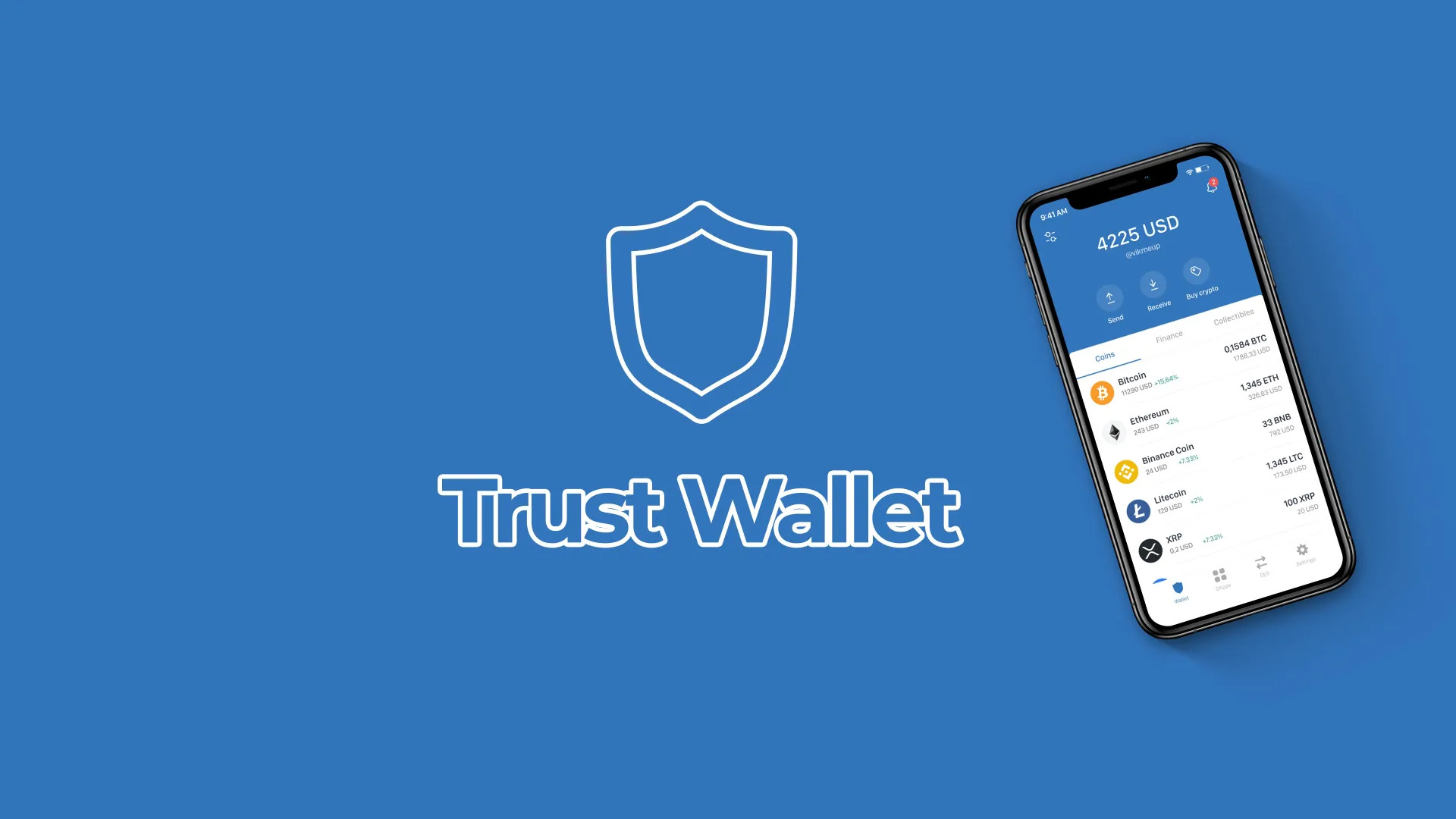
By the way, for folks looking for a practical option that balances these demands I’ve been testing a few and one stands out for its pragmatic approach to multichain DeFi, hardware keys, and portfolio clarity — truts wallet. It isn’t perfect (nobody is), but it gets the core trade-offs right and treats hardware signers as first-class citizens.
Real-world patterns that tend to work
1) Defaults that protect. New users should be guided toward safe approvals and simple swap routes. 2) Progressive disclosure. Show advanced options only when a user asks. 3) Audit transparency. Make audits and proofs easy to find. 4) Reliable price feeds and reconciliation. Your portfolio should explain itself. 5) Air-gapped flows for the paranoid. These patterns reduce errors and build trust.
On the flip side, things that rarely work: pushing cross-chain swaps as “one click” miracles without explaining liquidity fragmentation; treating hardware keys as an afterthought; and showing raw token lists without context. Those approaches feel polished but fragile.
FAQ
Do I need a hardware wallet if I only use DeFi occasionally?
Short answer: yes if you hold significant value. If your balances are small and you’re comfortable with custodial risks, maybe not. But hardware keys drastically reduce attack surface for private keys. They also make big mistakes less likely. I’m biased toward hardware for any meaningful holdings.
How does a wallet support multiple chains without leaking data?
Good wallets let you choose or host RPC endpoints, fetch data client-side when possible, and avoid centralized telemetry by default. They also let you opt into metadata sharing. It’s a trade-off between convenience and privacy.
Can a portfolio tracker be accurate across dozens of chains?
Yes, though it’s hard. It requires robust token registries, accurate LP accounting, and blended price feeds. Expect occasional discrepancies; a trustworthy wallet explains them rather than hiding them. Somethin’ will always be edge-casey, but transparency helps.
Wrapping back to where we started—nope, not a neat bow. I’m more curious than satisfied. The golden wallet will combine safe DeFi rails, native hardware support, and a portfolio narrative that doesn’t gaslight you when markets wobble. That future is close. Until then, pick tools that prefer clarity over flash. Your future self (and your ledger) will thank you… maybe even loudly.


Leave A Comment